
How to Spot Roof Damage: Free Inspection Benefits
Roof damage can be a homeowner's worst nightmare. It often goes unnoticed until it leads to significant issues like leaks, mold, or structural damage. Understanding how to spot roof damage early can save you time, money, and stress. In this blog post, we will explore the signs of roof damage, the benefits of free inspections, and practical steps you can take to protect your home.

Understanding Roof Damage
Common Causes of Roof Damage
Roof damage can arise from various sources, including:
Weather Conditions: Heavy rain, snow, hail, and strong winds can all contribute to roof wear and tear.
Age: As roofs age, materials can degrade, leading to leaks and other issues.
Poor Installation: If a roof is not installed correctly, it may be more susceptible to damage.
Lack of Maintenance: Regular inspections and maintenance can help catch problems before they escalate.
Signs of Roof Damage
Knowing the signs of roof damage can help you take action before it becomes a more significant issue. Here are some common indicators:
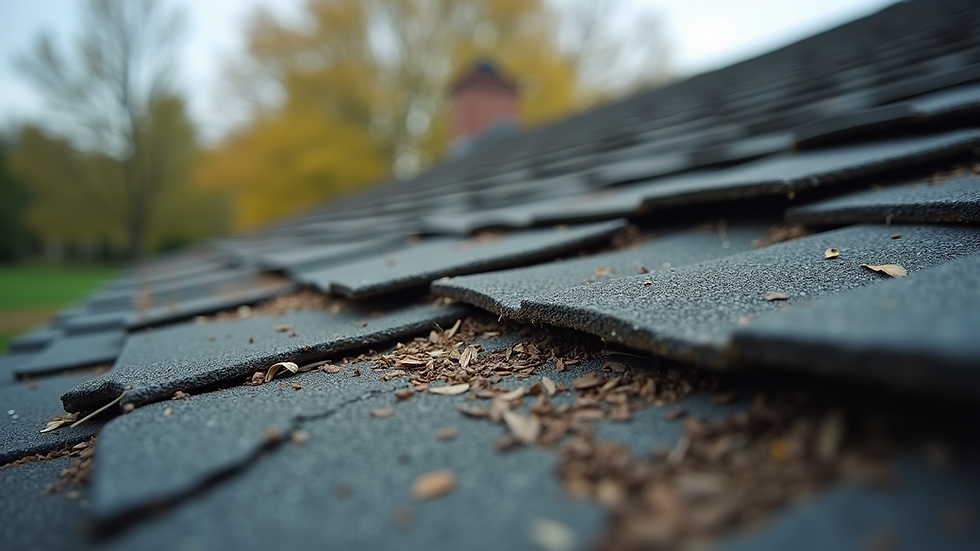
Missing or Damaged Shingles: Look for shingles that are cracked, curled, or completely missing.
Leaks: Water stains on ceilings or walls can indicate a roof leak.
Granules in Gutters: If you notice shingle granules in your gutters, it may be a sign that your roof is deteriorating.
Sagging Roof Deck: A sagging roof can indicate structural issues that need immediate attention.
Mold or Mildew: The presence of mold or mildew on your roof or in your attic can signal moisture problems.
The Importance of Regular Inspections
Why You Should Get a Free Roof Inspection
Many roofing companies offer free inspections, which can be a valuable resource for homeowners. Here are some benefits of taking advantage of these inspections:
Early Detection: A professional can identify issues that you might miss, allowing for early intervention.
Cost Savings: Catching problems early can save you money on repairs and prevent more extensive damage.
Peace of Mind: Knowing the condition of your roof can alleviate concerns and help you plan for future maintenance.
What to Expect During an Inspection
During a free roof inspection, a professional will typically:
Assess the Exterior: They will check for visible signs of damage, such as missing shingles or cracks.
Examine the Interior: Inspecting the attic and ceilings for signs of leaks or mold is crucial.
Provide a Report: After the inspection, you will receive a report detailing any issues found and recommended actions.
How to Spot Roof Damage Yourself
DIY Inspection Tips
While professional inspections are essential, you can also perform your own checks. Here are some tips for a DIY roof inspection:
Use Binoculars: If you’re uncomfortable climbing onto your roof, use binoculars to inspect from the ground.
Check for Debris: Look for branches, leaves, or other debris that may be accumulating on your roof.
Inspect After Storms: After severe weather, take the time to check for any visible damage.
Safety First
If you decide to inspect your roof yourself, prioritize safety:
Use a Stable Ladder: Ensure your ladder is stable and positioned on level ground.
Wear Proper Footwear: Non-slip shoes can help prevent accidents.
Avoid Slippery Conditions: Inspect your roof only when it is dry to avoid slipping.
The Long-Term Benefits of Regular Maintenance
Keeping Your Roof in Top Shape
Regular maintenance can extend the life of your roof and prevent costly repairs. Here are some maintenance tips:
Clean Gutters: Regularly remove debris from gutters to ensure proper drainage.
Trim Overhanging Branches: Keep trees trimmed to prevent branches from damaging your roof.
Inspect Flashing: Check the flashing around chimneys and vents for signs of wear.
Scheduling Regular Inspections
Consider scheduling professional inspections at least once a year, or after severe weather events. This proactive approach can help you stay ahead of potential issues.
Conclusion
Spotting roof damage early is crucial for maintaining the integrity of your home. By understanding the signs of damage and taking advantage of free inspections, you can protect your investment and ensure your roof remains in good condition. Regular maintenance and inspections not only save you money but also provide peace of mind. Don’t wait for a small problem to turn into a costly repair—take action today to safeguard your home.

Comments